
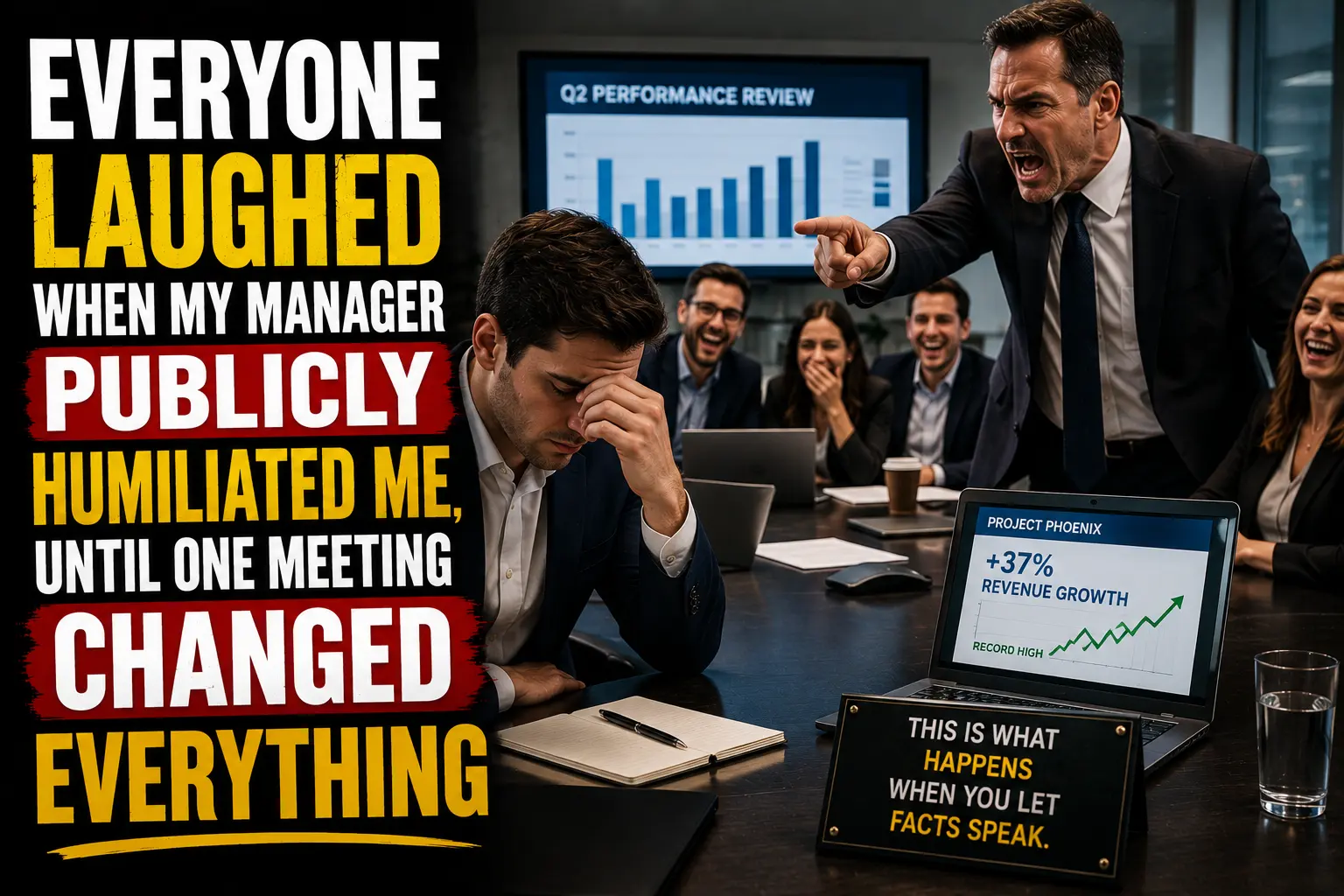
My manager mocked me during team meetings so often that eventually everyone started laughing too. After a while, nobody even questioned it. I kept swallowing the embarrassment until one meeting changed the entire office—and suddenly no one was laughing anymore. When I joined the company, I genuinely loved my job. I planned to build a long-term career there and worked hard to earn people’s trust. My manager was friendly at first, always joking with the team and keeping meetings light. Then those jokes slowly started targeting me. Whenever I presented an idea, they found a sarcastic way to embarrass me before anyone could respond seriously. Coworkers usually laughed awkwardly, and the meeting moved on. I convinced myself it was just their management style and tried not to take it personally. Looking back, I made a huge mistake by staying silent. I was terrified of being labeled overly sensitive or someone who couldn’t handle criticism.
The jokes became more frequent and much more personal. My manager interrupted presentations, mocked harmless mistakes, and somehow turned me into the punchline whenever the room needed comic relief. Before long, teammates dismissed my ideas before I even finished explaining them. Friends outside work encouraged me to report the behavior, but I worried I had nothing except my own memories. My family noticed I came home quieter every week and urged me to start documenting everything. Instead of handling things professionally, I sometimes snapped back with sarcastic comments of my own. It felt satisfying for a moment, but all it really did was make me seem defensive and give my manager another excuse to criticize me. Eventually, I accepted a hard truth. Nobody else was going to step in and save me. If anything was going to change, I needed evidence instead of frustration. From that day forward, I quietly kept meeting notes, emails, approval records, and project timelines.
The breaking point came during a quarterly review. My manager confidently blamed me for delays on a project, even though they had personally approved the decisions that caused those delays weeks earlier. As everyone looked at me, I realized I wasn’t just being embarrassed anymore. I had become the convenient scapegoat whenever something went wrong. I also admitted something uncomfortable. My emotional reactions over the past year had made it easier for people to dismiss my side of the story. This is not who I am. That was the moment I stopped hoping respect would simply appear one day. I decided documented facts would speak louder than any argument I could make.
Instead of confronting my manager privately, I requested time during the next leadership meeting to review the project’s documented timeline. Senior leadership agreed. Calmly, I walked everyone through email approvals, meeting minutes, task histories, and decision logs showing exactly who had approved every major step. I never raised my voice or accused my manager of bullying. I simply answered questions with documents. My manager interrupted and said, “You’re making this personal.” I looked at the leadership team and replied, “I’m making it factual.” Then I let the records do the rest. I knew some coworkers would later say I should have handled everything behind closed doors instead of in front of senior leadership.
My family told me they were proud I had finally defended myself without losing control. Friends couldn’t agree. Some called the presentation professional and overdue, while others thought I had intentionally embarrassed my manager. My partner supported my decision but wondered whether waiting so long had allowed the situation to become far worse than it needed to be. Leadership introduced clearer documentation and accountability procedures after that meeting. My manager denied ever trying to humiliate me, but the way my teammates treated me changed almost overnight. For the first time, people listened before they laughed. I finally earned the respect I had spent so long trying to deserve, but I still wonder whether confronting the issue in front of leadership was the only way to make it stop—or whether I crossed a professional line by letting the evidence speak in such a public setting. Tell me honestly—did I cross a line, or did they deserve it?